Single-leg RDL (BW, slow tempo)
Standing single-leg, hip hinge back slowly, back leg rises as torso drops.
family=rdl bw slowpattern=hingeforce=pullmechanic=compoundequipment=body_weight
Muscles
- Primary
- hamstrings
- Supporting
- glutes, hip stabilizers
Mechanics
- Pattern
- hinge
- Equipment
- bodyweight
- Geometry
- 120° Hinge Angle
- Target feel
- Hamstring stretch with controlled balance — hip stays square throughout.
- Progression
- Add a dumbbell in the opposite hand as balance improves.
- Regression
- Touch a wall lightly for balance reference before going unassisted.
Common errors
- Hip opening outward on the standing leg
- Rounding the lower back to reach further
- Rushing the tempo and losing balance
Programming by goal
| Goal | Sets × reps | Effort cap | Tempo |
|---|---|---|---|
| Strength | 3 × 3-6 | RPE ≤ 9 | 2-0-X-0 |
| Muscle growth | 3 × 8-12 | RPE ≤ 8 | 3-1-1-0 |
| Endurance | 3 × 15-25 | RPE ≤ 7 | 2-0-2-0 |
Engine defaults for one exercise. Adjust load so every rep stays within the listed effort cap.
Equipment context
Bodyweight exercises need no equipment, but progression depends on leverage and position rather than added load.
Substitutions
- Romanian deadlift (BB)
- DB Romanian deadlift
- Glute bridge (BW, top-end squeeze)
Related exercises
Progression ladder
- Beginner / regression: Touch a wall lightly for balance reference before going unassisted.
- Standard: Single-leg RDL (BW, slow tempo)
- Advanced / progression: Add a dumbbell in the opposite hand as balance improves.
Atlas metrics
- Movement pattern
- hinge
- Primary target
- hamstrings
- Supporting muscles
- glutes, hip stabilizers
- Equipment
- bodyweight
- Joint geometry
- 120° Hinge Angle
- Alternatives
- 3 substitutions
Evidence & limits
Last reviewed against peer-reviewed biomechanics references. Exercise descriptions are framed as training guidance, not medical advice.
Eccentryx is fitness software. It is not a medical device and is not intended to diagnose, treat, cure, or prevent any disease, injury, or medical condition. Consult a licensed physician before beginning any exercise program.
Try these tools
FAQ
- How do I set up Single-leg RDL (BW, slow tempo)?
- Standing single-leg, hip hinge back slowly, back leg rises as torso drops.
- What should I feel during Single-leg RDL (BW, slow tempo)?
- Hamstring stretch with controlled balance — hip stays square throughout.
- What are common mistakes with Single-leg RDL (BW, slow tempo)?
- Hip opening outward on the standing leg; Rounding the lower back to reach further; Rushing the tempo and losing balance
- How do I progress Single-leg RDL (BW, slow tempo)?
- Add a dumbbell in the opposite hand as balance improves.
- What can I do instead of Single-leg RDL (BW, slow tempo)?
- Romanian deadlift (BB), DB Romanian deadlift, Glute bridge (BW, top-end squeeze)
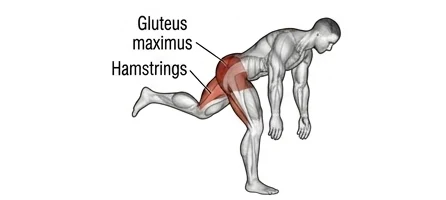
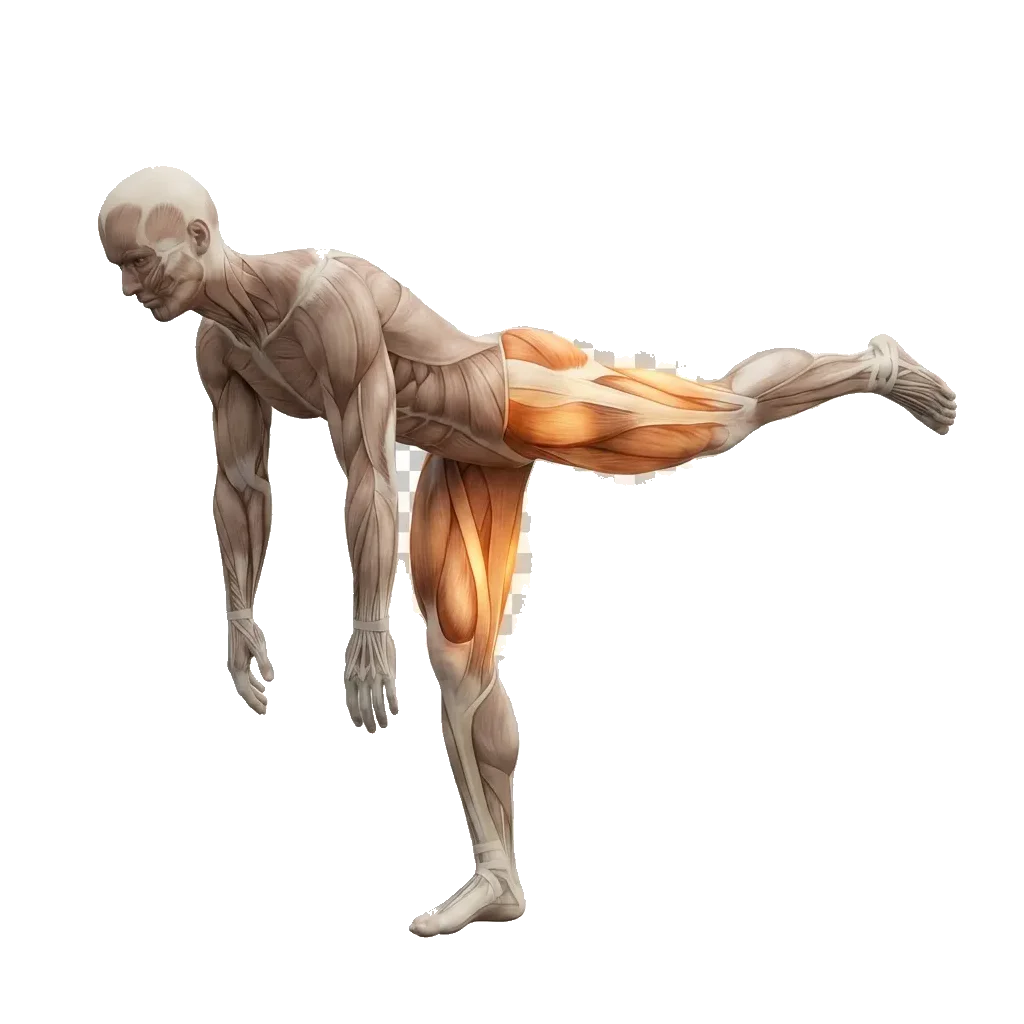
Single-leg RDL (BW, slow tempo): hinge pattern, 2900 ms rep trace, engine-derived.